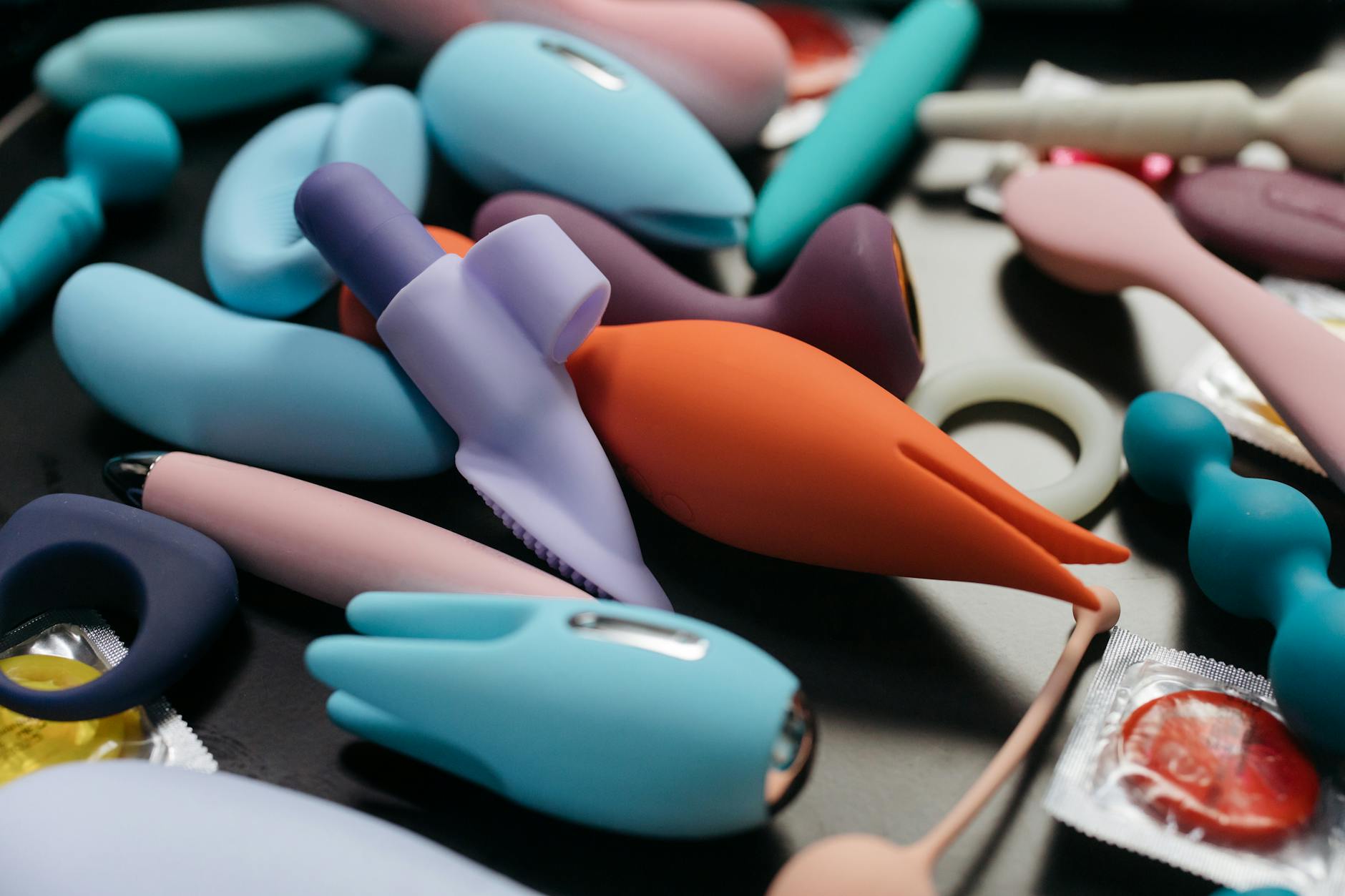
Let's be real about what low libido does to pleasure
Low libido doesn't just mean you want sex less. It changes how your body physically responds to stimulation. Your lemon vibrator might feel too intense, too bland, or frustratingly unpredictable. Most people assume this means the device is wrong or their body is broken. Neither is true. Low desire rewires how your nervous system processes sensation.
Here's what happens and why your lemon clitoral vibrator might feel completely different when your libido is low.
How desire affects physical sensation
When desire is present, your brain floods your nervous system with neurochemicals. Dopamine increases anticipation. Norepinephrine sharpens focus. Your clitoris engorges with blood, making the tissue more sensitive and responsive. The skin becomes more receptive to touch because your brain is primed to notice pleasure signals.
When desire is low or absent, this cascade doesn't happen. Your clitoris might not engorge as much. Your nervous system isn't amplifying sensation. The same vibration pattern that felt electric three months ago now feels muted or even unpleasant. This isn't psychological weakness. It's basic neurology.
One study published in the Journal of Sex & Marital Therapy found that people with low sexual desire show reduced activation in the reward centers of the brain when exposed to erotic stimuli. Your lemon vibrator hasn't changed. Your brain's reward response has.
Why intensity settings become unreliable
When libido is high, you can dial intensity up or down and feel the difference clearly. When libido is low, the whole scale shifts. Pattern 2 on your lem vibrator might suddenly feel aggressive instead of gentle. Pattern 5 might feel like barely anything. This happens because your body needs more stimulation to register pleasure, but at the same time, overstimulation becomes more likely to feel jarring rather than satisfying.
It's like turning up the volume on a song you're excited about versus one you're indifferent to. The decibels are the same, but your perception of them is wildly different.
What often helps: start two settings lower than you normally would. Spend longer at each intensity. Your nervous system needs time to wake up, and rushing it usually backfires. A 20-minute session at lower intensity often delivers more satisfaction than five minutes at maximum power.
The numbness versus oversensitivity paradox
Here's where it gets confusing. Some people with low libido report that lemon vibrators feel too strong. Others report feeling almost nothing. Both are real, and sometimes both happen in the same session.
Oversensitivity often comes from your body's stress response. When desire is low, libido often is too because of stress, relationship friction, or hormonal changes. Your nervous system is in a protective mode. Touch that should feel good registers as slightly irritating. Your lemon sucker might feel sharp instead of pleasurable.
Numbness, on the other hand, comes from emotional disconnection or depression. Your clitoris is physically capable of responding, but the neural pathway between sensation and pleasure is dampened. The vibrator works, but it doesn't land.
These need different approaches. Oversensitivity often improves with downward pressure plus vibration (which your Lem's suction mode offers), lower intensity, and more warm-up time. Numbness sometimes responds better to variety. Switching between patterns, moving the device slightly, or taking a pause and coming back can help your nervous system re-engage.
When low libido is temporary versus something deeper
Temporary low libido often comes from stress, relationship tension, hormonal shifts, or life overwhelm. In these cases, your body usually responds quickly to environmental change. Taking pressure off, addressing the underlying stressor, or spending quality time with your partner can shift desire noticeably within days or weeks.
When this kind of low libido is present, your lemon clitoral vibrator might feel off temporarily, but it will usually feel normal again once the stressor eases. You don't need to change your device or assume something is wrong with you.
Depression, chronic stress, or sustained relationship problems create deeper libido loss. This takes longer to shift and sometimes needs professional support. How to use a lemon vibrator safely with sensitive skin becomes relevant here because your body might need gentler approaches while you're working on the underlying issue.
If low desire has lasted more than two months and you can't point to an obvious cause, talking to a therapist or doctor is worth it. Low libido can signal relationship issues, hormonal imbalances, medication side effects, or depression. A vibrator is a great tool for reconnecting with pleasure, but sometimes the disconnect is bigger than sensation.
How to recalibrate your lemon vibrator experience
Four practical shifts that help when low libido is affecting how your device feels:
Extend your setup time. Arousal happens in stages. When desire is low, those stages need more time. Spend 10 minutes with no stimulation at all. Touch yourself slowly. Feel your breath. Let your nervous system settle before you introduce the vibrator. Rushing this part makes low desire feel even more frustrating.
Layer in sensation. Don't rely on the vibrator alone. Add texture with your fingers or a partner's touch between vibrator sessions. Alternate between patterns. Move the device slightly instead of keeping it static. Your nervous system responds to novelty and variation, especially when baseline desire is low.
Test patterns you normally skip. If you usually go straight to Pattern 4, try Patterns 1 and 2 exclusively for a week. Sometimes the patterns we skip are exactly what our nervous system needs when desire is low. The rhythm or intensity that once felt boring might feel just right now.
Create mental space. Low libido often coexists with intrusive thoughts. Work, partner tension, kids, money. When desire is low, your brain hijacks pleasure time. Dimmed lighting, a locked door, or five minutes of intentional breathing before you start helps redirect attention back to sensation. You're not being selfish. You're clearing mental clutter so your nervous system can actually feel what's happening.
The partner piece when low libido shows up
If you're using your lemon vibrator with a partner and low libido arrives, this conversation matters. Low desire often gets interpreted as rejection. It usually isn't. It's your nervous system responding to something. Stress. Resentment. Hormonal change. Burnout. None of those are about your partner, but they all kill pleasure response.
The most helpful thing a partner can do is take outcome pressure off. Not "let's get you to orgasm" but "what do you actually want right now?" Sometimes that's your lem vibrator with no expectation. Sometimes it's touch with no device at all. Sometimes it's time apart to work through what's underneath the low desire.
There's also a practical piece. If low libido is paired with relationship friction, using pleasure devices can feel performative rather than healing. Sometimes addressing the relationship stuff first makes pleasure accessible again. How to use a lemon vibrator as a couple to improve shared pleasure gives concrete strategies for this.
FAQ: low libido and lemon vibrators
Q: Can low libido permanently change how I feel pleasure?
No. Once the underlying cause shifts, sensation usually returns. If you've been depressed for a year, pleasure response might take weeks to fully reboot after treatment starts. But it does come back. Your nervous system has neuroplasticity. It can rewire just as much as it's rewired in the low-desire direction.
Q: Should I try a different lemon vibrator if my current one doesn't feel right during low libido?
Mostly no. Switching devices won't fix low desire. What helps is adjusting how you use what you have. Lower patterns, more warm-up time, layered sensation. If you've been using the same device for years and it genuinely never worked, a different one might help. But if it worked before and doesn't now, the change is almost certainly about your nervous system, not the device.
Q: Does low libido mean I should stop using clitoral vibrators altogether?
Not at all. Using your lemon vibrator during low libido can actually help. Gentle, low-pressure stimulation without performance pressure sometimes helps reconnect the nervous system to pleasure. But the intention changes. You're not trying to climax. You're reconnecting with sensation. Patience and curiosity instead of outcome.
Q: How long does it usually take for sensation to feel normal again?
This depends entirely on the cause. If low libido came from temporary stress, you might feel shifts within a week. If it's connected to depression or relationship issues, it might take two to three months of things actually changing, not just time passing. One thing I've learned from years of clinical work: libido doesn't return on a timeline. It returns when the underlying system is genuinely safer.
Q: Can medication cause low libido that affects how vibrators feel?
Absolutely. Antidepressants, birth control, blood pressure medications, and antihistamines can all tank desire and numb sensation. If low libido coincided with starting a medication, your prescriber needs to know. Sometimes a dose adjustment or different medication fixes it. Sometimes you need a different approach to pleasure while you're on it.
Q: Is it normal to prefer different intensity levels depending on your cycle or stress?
Completely normal. Your body changes throughout your cycle, with stress, with sleep, with your relationship status. The lemon vibrator that feels perfect on Tuesday might feel wrong on Thursday. This isn't a bug. It's your nervous system doing exactly what it's supposed to do. Adjusting your expectations and technique to match where you actually are is the real skill.
What comes next
Low libido paired with sensations that don't match your devices is frustrating. It feels like you're broken or your devices are wrong. Usually it's neither. Your nervous system is responding to something real. Stress. Disconnection. Hormonal change. Relationship tension. These are all solvable, but they're not solved by white-knuckling through with your lem vibrator on maximum.
Start with curiosity instead of force. What does your body actually want right now? Maybe it's your lemon clitoral vibrator on Pattern 2 for 30 minutes. Maybe it's touch with no device at all. Maybe it's honest conversation about what's underneath the low desire. All of those matter. Your pleasure matters. If you need support untangling what's driving the shift, we're here. Reach out at /contact.