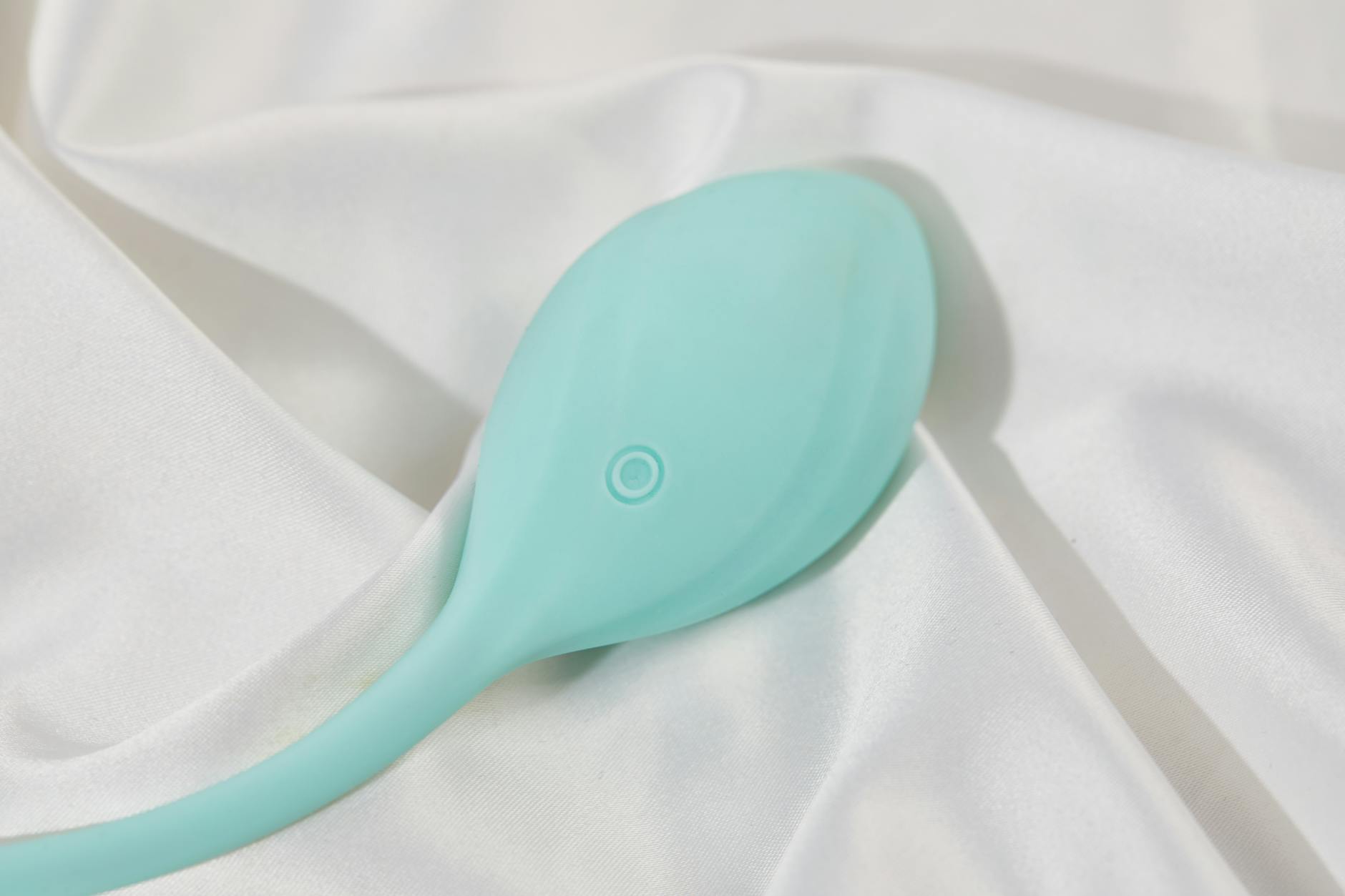
Here's the thing about sensitive skin and lemon vibrators
Sensitive skin down there doesn't mean you're broken. It means your tissue responds more intensely to friction, pressure, and sometimes ingredients in lubricants. A lemon vibrator—or any quality clitoral vibrator—can absolutely work for you. You just need a different game plan than someone with resilient skin.
I've worked with countless people who thought vibrators were off the table because of sensitivity. They weren't. What changed was preparation, product selection, and knowing which settings feel safe. That's what we're covering here.
Understanding what makes skin sensitive down there
The vulva is designed to be sensitive. That's not a bug; it's the point. Thousands of nerve endings live in a small space, and the tissue is thinner and more permeable than skin anywhere else on your body.
When someone has extra-sensitive vulvar skin, it usually means one or more of these things: the skin barrier is compromised (you're prone to irritation from friction), you have reactive skin conditions like eczema or lichen sclerosus, you're dealing with hormonal changes that thin tissue, or you've had a history of infections that left the area tender.
The good news: none of this rules out lemon vibrators. It just means being intentional about warmup, lubrication, and intensity.
Step one: prepare your skin before using a clitoral vibrator
Prep work sounds tedious, but it's the difference between pleasure and pain. Here's the protocol I recommend:
Start with a warm bath or shower. Warm water relaxes the pelvic floor and increases blood flow, which makes tissue more supple. Spend five to ten minutes soaking—no rush.
Gently cleanse the area with warm water only. Avoid soaps, even "gentle" ones. Soap disrupts the natural pH and microbiome. Warm water is enough.
Pat dry with a soft, clean towel. Don't rub. Pat.
Wait two to three minutes. Let the area fully dry. Moisture + vibration + friction can trap bacteria, which sensitive skin is already prone to harboring.
Apply a barrier balm if you use one. Some people with eczema or reactive skin benefit from a thin layer of coconut oil or a branded intimate balm before lubrication. This creates a buffer between the toy and compromised skin. Others skip this—depends on your skin.
Step two: choose the right lubricant for sensitive skin
Lubricant matters more for sensitive skin than it does for anyone else. The wrong one can trigger itching, burning, or swelling within minutes.
Water-based lubricants are safest for most people. They're compatible with all toy materials, wash off easily, and are less likely to harbor bacteria. Look for formulations without glycerin, parabens, or phenoxyethanol. Brands like Sliquid, System JO, and Hyalo Gyn are specifically designed for sensitive vulvas.
Silicone lubricants are okay if you avoid silicone toys. They last longer and don't dry out as quickly as water-based, but they can degrade silicone vibrators. Since lemon vibrators are silicone, skip this option.
Oil-based lubricants are generally fine. Coconut oil is natural and has mild antimicrobial properties. Jojoba oil is hypoallergenic. Avoid mineral oil and petroleum products—they're occlusive and can trap heat and moisture.
Avoid lubricants with numbing agents. They might feel good initially, but they mask pain signals. If something hurts, you should feel it and stop.
Apply generously. Sensitive skin needs more lubrication than usual, not less.
Using your lemon vibrator on sensitive skin: the settings strategy
Most lemon vibrators have multiple intensity levels and patterns. For sensitive skin, your approach is bottom-up, not top-down.
Start at the lowest setting. The Lem vibrator, for instance, has pattern options and intensity levels. Begin on pattern one, intensity level one. Spend a full five to ten minutes here, letting your body acclimate. You're not trying to orgasm yet. You're testing tolerance.
After ten minutes at low intensity, move to pattern one at intensity level two. Stay there for another five minutes. The goal is a gradual, gentle introduction that gives your nervous system time to adjust without triggering inflammation.
Most people with sensitive skin find their sweet spot between intensity one and three. That's not weakness—that's wisdom. Higher settings cause micro-tears in delicate tissue, inflammation, and soreness lasting days.
If you feel burning, stinging, or sharp pain at any point, stop immediately. Pain is information. Mild pressure or slight tingling is normal. Burning is not.
Creating a sustainable rhythm for sensitive skin
Frequency matters. If you use your lemon vibrator daily, sensitive skin gets irritated and texture changes. If you space it out, you stay comfortable long-term.
I recommend twice weekly maximum for people with genuinely sensitive skin. Once a week is better if you're dealing with an active condition like lichen sclerosus or vulvodynia. Between uses, give your vulva three to four days to fully recover.
Yes, this is limiting. But it's not forever. As your skin barrier strengthens and you understand your body's signals, you may be able to increase frequency. For now, less is more.
Caring for your lemon vibrator with sensitive skin in mind
Your vibrator's cleanliness directly affects your skin's health. A dirty toy introduces bacteria to an already-sensitive area.
After each use, wash with warm water and a tiny drop of unscented dish soap. Rinse thoroughly—soap residue can irritate. Pat dry and store in a clean pouch or box, away from dust and lint.
Once a month, do a deeper clean with a toy cleaner specifically formulated for silicone vibrators. This removes residual lubricant and bacteria that water alone doesn't catch.
If you ever notice discoloration, stickiness, or a smell, replace the toy. Silicone degrades over time, especially with friction and heat.
What to avoid if you have sensitive vulvar skin
A few things make sensitive skin worse, even with a great vibrator:
Douching or scented products. They destroy the vulva's microbiome and trigger inflammation. Stop entirely if you're doing this.
Tight clothing right after. Wear loose pants or a skirt for a few hours post-use. Tight fabric traps moisture and heat, creating an environment for irritation.
Back-to-back sessions. Even if the first use felt fine, give your skin time between sessions. Cumulative friction is where problems appear.
Ignoring warning signs. Itching, swelling, discharge changes, or discomfort beyond the session itself means something isn't working. Stop using and let things calm down. If it doesn't resolve in a few days, see a gynecologist.
When to see a gynecologist about sensitivity
If you've followed this protocol and you're still experiencing pain, swelling, or irritation during or after vibrator use, something else might be going on. Vulvodynia, lichen sclerosus, dermatitis, or recurrent infections all present as sensitivity but require different management.
A gynecologist trained in vulvar health can diagnose what's happening and guide you toward solutions—some of which include topical treatments that actually make vibrator use more comfortable, not less.
Sensitive skin is not a reason to avoid pleasure. It's a reason to approach it thoughtfully.
FAQ: Sensitive skin and lemon vibrators
Can I use my lemon vibrator if I have lichen sclerosus?
Yes, but with care. Lichen sclerosus thins tissue significantly, so start at the absolute lowest setting and use the gentlest water-based lubricant you can find. Some people with LS find that air-suction toys like the lemon vibrator feel less irritating than direct vibration because the pressure is distributed differently. Discuss vibrator use with your dermatologist or gynecologist first.
What's the difference between sensitivity and an allergic reaction?
Sensitivity is gradual—mild burning or tingling that builds over ten to fifteen minutes and subsides after thirty minutes to an hour. An allergic reaction is immediate—sudden burning, swelling, or hives that appear within minutes of contact. If you suspect an allergy to your vibrator material or lubricant, stop use and switch products. True silicone allergies are rare, but sensitivities to lubricant ingredients are common.
Is it normal to bleed slightly after using a vibrator with sensitive skin?
No. Light spotting once in a great while isn't catastrophic, but regular bleeding means you're causing micro-tears. Lower your intensity significantly, increase lubrication, reduce frequency, and consider seeing a gynecologist. Bleeding is a sign you're pushing beyond what your tissue can handle.
Can I use a lemon vibrator during my period if my skin is sensitive?
Yes, but be extra cautious. The vulva is more sensitive and more prone to irritation during menstruation. Use more lubricant than usual, stick to the lowest settings, and limit sessions to once during your cycle instead of twice. If you wear a tampon, remove it first.
Will my sensitive skin eventually become less sensitive if I keep using my vibrator?
Sometimes. Consistent, gentle use can actually strengthen your skin barrier and improve nerve responsiveness. But this happens over months, not weeks. Pushing too hard too fast works against this process. Think of it like training for a sport—gradual progression works. Overdoing it causes injury.
What lubricant would you recommend for the most sensitive skin?
Hyalo Gyn or Sliquid Splash are specifically formulated for reactive skin. Both are free from common irritants. Coconut oil is a solid natural option if you're looking for something already in your kitchen. Avoid anything with glycerin, silicones, or fragrance. Test any new lubricant on your inner arm first—if it doesn't irritate there, it's less likely to irritate your vulva, but your vulva is still more sensitive, so go slow.
The bottom line
Sensitive skin and lemon vibrators are compatible. What changes is intention. Prep your body, choose your lubricant wisely, start low and go slow, and respect your body's signals. Pleasure shouldn't hurt. If it does, you're getting information—listen to it.
For more on selecting the right vibrator for your body, check out our guide to choosing the right lemon vibrator. And if you have questions about your specific situation, we're always here. Reach out anytime at /contact.