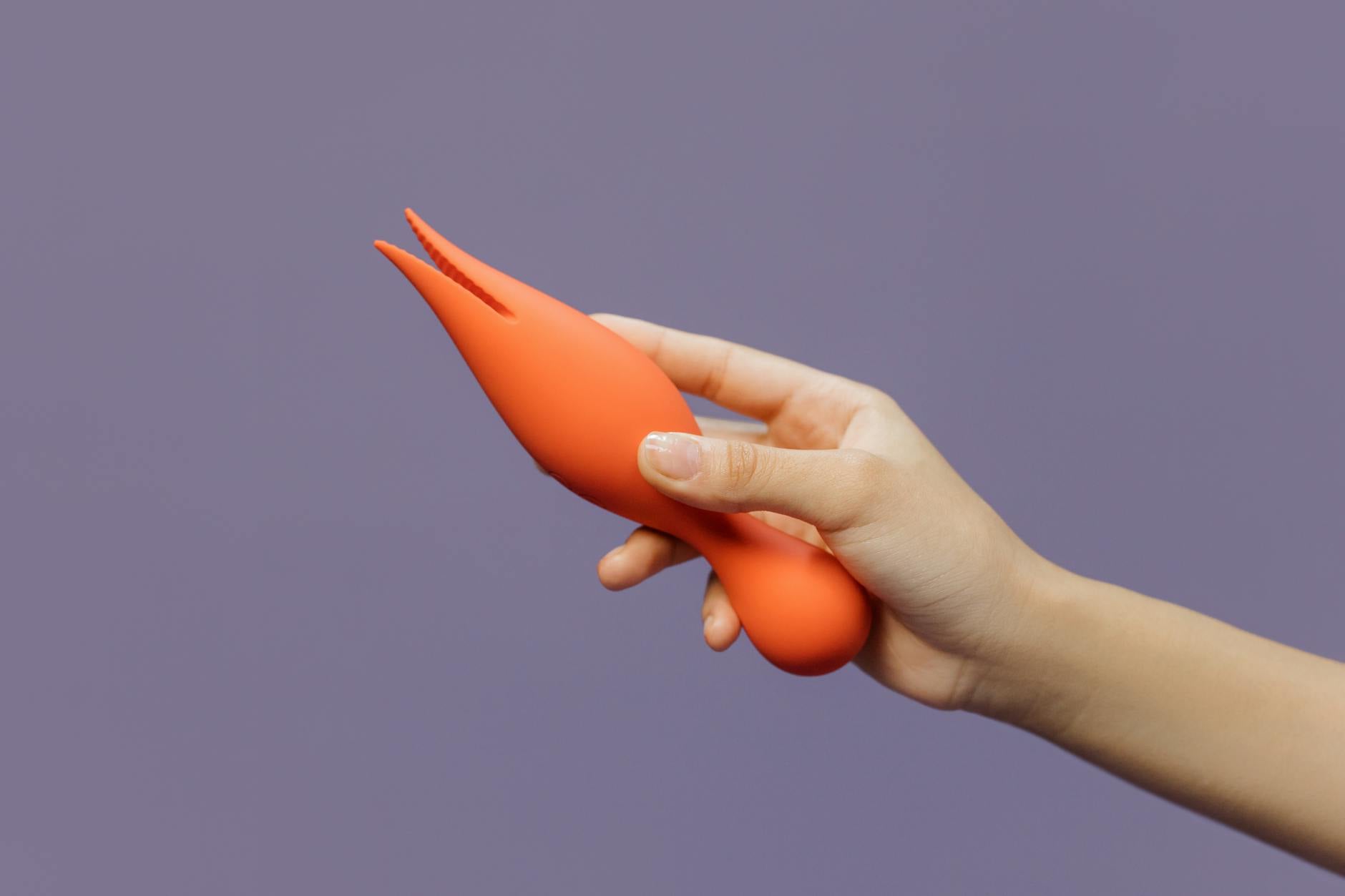
Let's start with the real thing happening
One of you wants to try a lemon vibrator. The other is hesitant. Maybe they're worried it means something about them. Maybe they think toys "replace" partners. Maybe they've never talked about pleasure openly before, and this feels like too much, too fast.
Here's what I've learned after years working with couples: hesitation isn't a roadblock. It's actually information. It tells you both something worth knowing.
Why hesitation happens (and it's not what you think)
When someone hesitates about toys, they're rarely actually worried about the toy. They're worried about what introducing it means about the relationship. Will I be judged? Am I disappointing them? Is my body not enough? Does this change the dynamic we've built?
These are tender things to think, let alone say out loud. The hesitation often sits underneath the surface as vague discomfort: "I don't know, it just feels weird." That vagueness is the problem. You can't work with "weird" until you know what weird actually means.
The first step isn't buying a lemon vibrator. It's having a conversation when you're both clothed, not in bed, not in the moment. A real one.
The conversation before the toy
Start with curiosity, not persuasion. "I've been thinking about trying a vibrator together. I'm curious what that brings up for you." Then stop talking. Let them answer. Don't jump in to explain why toys are normal or healthy or whatever your rebuttal was.
Listen for the real worry underneath. Sometimes it comes out. "I guess I feel like maybe I'm not enough." Bingo. Now you can actually work with that.
Your job here isn't to convince them toys are fine. It's to say something true: "Your hands and your presence absolutely matter. This isn't about replacing anything. I'm curious to explore this with you, and I want you to feel safe saying no." And mean it. If they say no right now, the answer is no.
Hesitation that's been heard and validated usually shifts into openness, even if it's slow openness.
Choosing the right entry point
If they're already nervous, don't start with the most intense toy. A lemon vibrator is actually perfect here because the sensation is gentle and focused. The suction stimulation feels different than a traditional vibrator, which sometimes helps hesitant partners feel like it's not the same as whatever made them nervous before.
But here's what matters more: let them handle it first without any pressure. Unwrap it together. Let them hold it. Turn it on at the lowest setting (pattern 1 on the Lem) and let them feel it against their own hand. This sounds small. It's not. Familiarity kills a lot of anxiety.
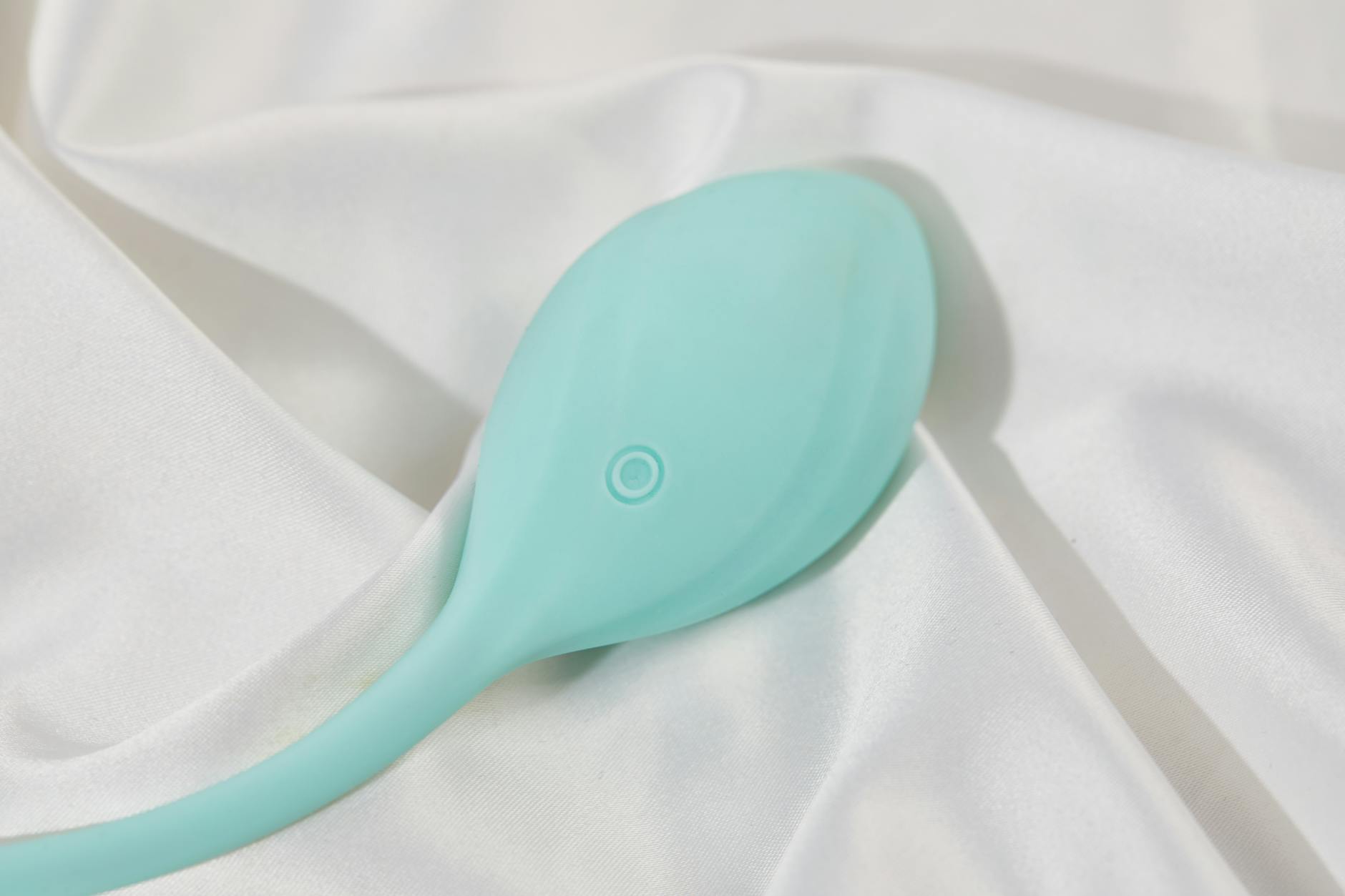
Photo by IFONNX Toys on Pexels
Starting small and staying optional
When you're ready to integrate it into sex, the hesitant partner should never be the first point of contact. I know that sounds backwards, but stay with me.
If you're the one who wanted this, you go first. Use it on yourself while they watch. This does three things: it shows them you're comfortable with it, it takes the spotlight off them, and it gives them a chance to see that pleasure isn't scary or weird.
Then, if they're curious, you can ask: "Would you want to feel what this does?" Not "let me use this on you." The language matters. Keep it optional. Keep it about them choosing.
The first time might just be them touching the toy while you use it on yourself. Or them holding it while you guide their hand. Small steps. This isn't a sprint.
Building the shared language
One reason hesitation lingers is because there's no vocabulary around pleasure yet. The couple has sex, but they've never explicitly talked about sensation, pressure, timing, or what feels good where.
A lemon vibrator becomes a tool for building that language. "Does this pressure feel good?" "Should I go a bit lower?" "What happens if I use pattern 3?" You're not just introducing a toy. You're teaching yourselves how to talk about pleasure as partners.
This conversation often carries over into the rest of your sex life. Suddenly you're both saying what feels good, and hesitation gives way to genuine curiosity.
Checking in, always
Hesitant partners sometimes say yes because they don't want to disappoint you, not because they actually want to. So check in more than you think you need to. Mid-activity: "How is this feeling?" After: "That was nice, what was your favourite part?" Not "Did you like it?" that's yes-or-no. Ask what actually landed.
If the answer is "it felt weird" or "I wasn't into it," that's real information. The hesitation might not have been about fear. It might have been legitimate "this isn't for me." And that's okay. Not everything has to be shared. Some couples use toys solo, and some couples don't use them at all. The point is mutual choice, not matching desires.
When hesitation turns into genuine resistance
There's a difference between "I'm nervous but willing to explore" and "I don't want this in our sex life at all." If your partner moves from hesitant to clearly resistant, the answer is to respect that. Period.
But also notice if you're pushing. Sometimes we interpret hesitation as something to overcome, when what's actually happening is someone saying no softly because they don't want to disappoint us. Be clear that you mean it when you say it's optional.
If one partner really wants to explore lemon vibrators or other clitoral vibrators and the other doesn't want them in shared sex, that's information worth a deeper conversation. Maybe they'd be comfortable with you using it alone. Maybe they need more time. Maybe they genuinely don't want it in the relationship, and you both get to choose what to do with that.
The thing about shared pleasure
Here's what I've seen happen more often than not: when hesitation is met with patience and the partner feels genuinely safe to move at their own pace, the resistance melts. Sometimes it takes weeks. Sometimes it takes months. But what emerges is something better than "we both like toys." It's "we know how to talk about what we want and we trust each other to listen."
That's the real shift. The lemon vibrator is just the vehicle.
Frequently Asked Questions
Why does my partner think toys mean they're not enough?
This belief usually comes from a few places: cultural messaging that sex should be "natural" without aids, previous relationships where toys were used as criticism or replacement, or just never having heard anyone talk about this openly before. It's not logical. It's emotional. Address it directly: "I love your hands, your presence, your attention. I'm also curious about new sensations we can explore together. Those things aren't in conflict." Say it more than once. Reassurance isn't a one-time conversation.
How long should I wait before introducing a toy if my partner is nervous?
There's no timeline. The conversation should happen way before the toy arrives. Once they've said they're open to exploring, give them time to sit with the idea. A week or two usually helps nervous partners move from "I don't know how to feel about this" to "okay, I'm curious." If they're still uncomfortable after a month of talking about it, that's information.
What if I'm the hesitant partner?
Your hesitation matters just as much. Speak it. Tell your partner exactly what's making you nervous. Is it fear of judgment? Worry about your body? Feeling like you should be able to do what a toy does? All of those are real and worth naming. Give your partner a chance to respond with patience, not defensiveness. And if you try it and genuinely don't like it, that's valid. Don't push yourself into pleasure that doesn't feel good just to be a "cool partner."
Can we use a lemon vibrator if we haven't talked openly about sex before?
You can, but it's harder. When couples have never named desire or pleasure out loud, introducing a toy can feel like jumping from zero to sixty. If this is you, start with the conversation before the toy arrives. Even a simple "I'd like us to talk more about what feels good to each of us" opens a door. Once that door is open, introducing a clitoral vibrator becomes less scary because there's already a framework for talking about bodies and sensation.
What if my partner only wants to use the toy on me, not have it used on them?
That's completely fine. Not everyone wants to experience vibration the same way. Some partners love giving pleasure with a tool more than receiving it. Some people need more time before they're comfortable receiving. Some just don't like the sensation. Honor that. The whole point of introducing something together is learning what you each actually want, not forcing sameness.
How do I know if my partner is saying yes because they want to or because they're trying to please me?
Pay attention to their body language and how they communicate over time. Someone who genuinely wants to try will usually become more curious: asking questions, wanting to handle the toy, suggesting when to use it. Someone who's placating typically goes along but doesn't initiate. The difference shows. If you're not sure, ask directly: "I want this to be something you actually want, not something you're doing for me. Are you genuinely interested, or are you doing this to make me happy?" Let them answer honestly. If they're doing it for you, that's information that needs addressing before you continue.