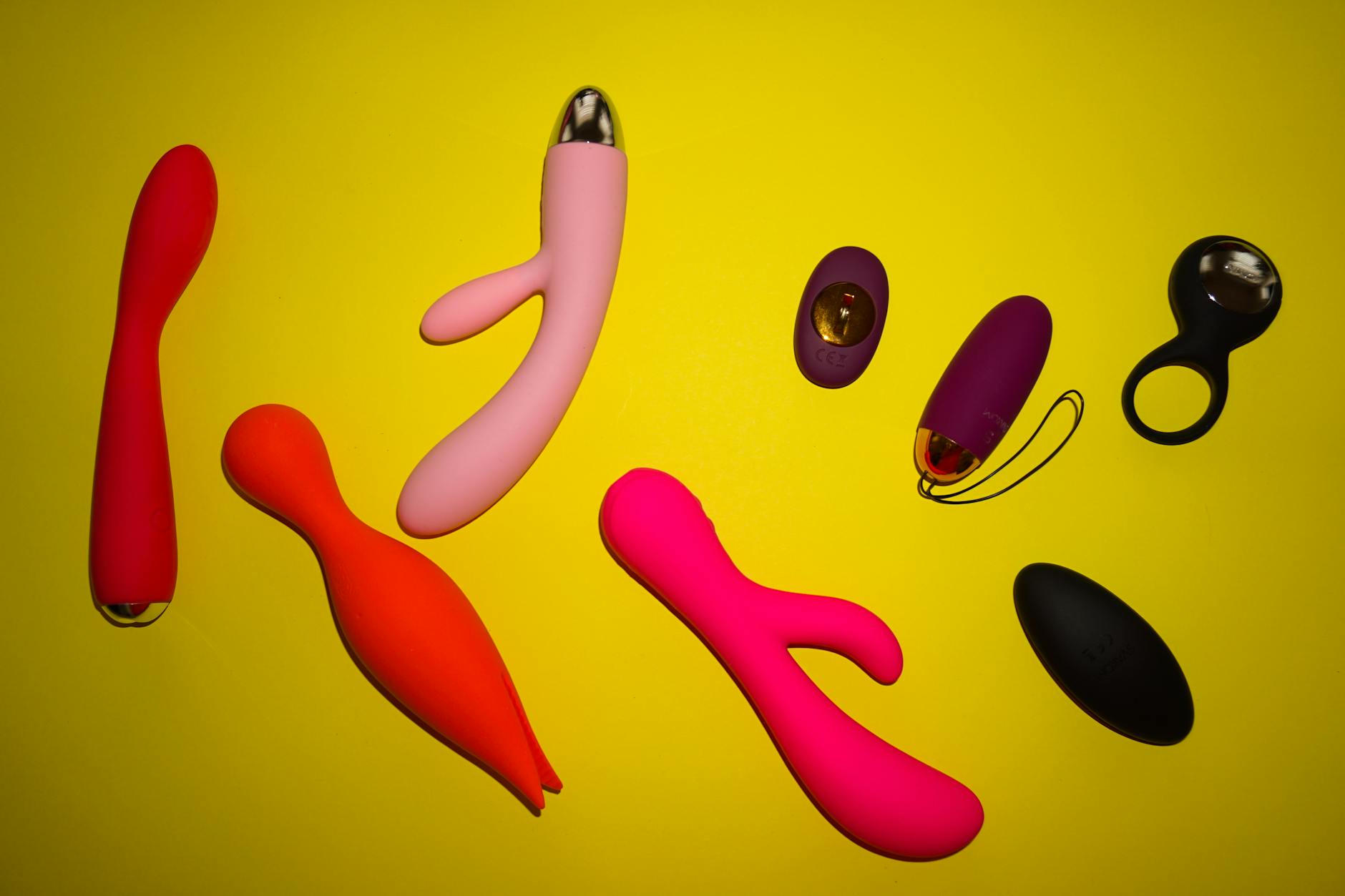
How to Use a Lemon Vibrator With Low Libido From Antidepressants
Let's be real: SSRIs work. They lift the fog, quiet the noise in your head, stabilize your mood. And then they steal something else. Desire flattens. Sensation dulls. Orgasms feel distant or impossible. Your body stops sending you the signals it used to, and suddenly pleasure feels like work instead of joy.
This is not in your head. It's in your brain chemistry. Between 40 and 60 percent of people on SSRIs experience sexual side effects. That's not a failure. That's a documented trade-off your doctor might not have mentioned.
Here's what I tell my clients: your libido didn't vanish. It got muted. And a lemon clitoral vibrator is one of the most effective tools for turning the volume back up when medication has turned it down.
Why antidepressants suppress desire in the first place
SSRIs work by raising serotonin, which is great for mood. But serotonin doesn't care about your libido. High serotonin actually suppresses dopamine, and dopamine is what drives desire. It's the reward chemical, the "I want this" signal. Antidepressants keep serotonin high and dopamine in the background. That's why desire feels absent, not just tired.
There's also a second layer: arousal requires a kind of cognitive focus and vulnerability. Anxiety keeps you present in your body. Antidepressants lower anxiety, which is the whole point, but they can also lower the nervous system intensity that fuels arousal. Your body isn't on red alert anymore. It's comfortable. Sleepy. Safe. Which is wonderful for your mental health and terrible for wanting sex.
The physical component matters too. SSRIs affect blood flow. Genital engorgement takes longer. The clitoris doesn't plump up as fast or as fully. Numbness is common, especially at the surface. Orgasm either takes forever or feels muted when it arrives. Some people describe it as touching a numb leg. You know something's happening. You can't quite feel it.
Why lemon vibrators work differently on medicated bodies
A standard vibrator sends the same oscillating signal through your tissue. When you're numb from medication, that signal needs to be strong enough to break through the damping effect. A lemon sucker like the Lem doesn't vibrate. It uses rhythmic pulsing and suction to stimulate the clitoris and surrounding tissue with pressure and release cycles.
Here's why this matters: suction creates a mechanical intensity that doesn't rely on sensation alone. It engages more of the clitoral structure. The suction pulls tissue into the opening, creating a seal and release pattern. That's harder to numb out. You feel the pressure and the release even when fine touch sensitivity is suppressed.
Clients who feel nothing with a traditional vibrator often report that they feel something immediately with a lemon clitoral vibrator. It's not gentler. It's more efficient. The stimulation pattern reaches deeper into the erectile tissue of the clitoris, which keeps some of its sensitivity even when the surface is muted.
Starting over with desire when it's been dormant
First, separate the two conversations. "My medication killed my sex drive" and "I miss pleasure" are related but different problems. One requires a conversation with your doctor about dosage or timing. The other requires rebuilding your relationship with your own body. You can do both at once.
Second, reset your expectations. You're not trying to get back to where you were before the medication. Your body is different now. That's not failure. That's information. Work with what you have.
Start with the lowest suction setting on your lemon vibrator. Pattern 1 or 2. The goal is not orgasm. The goal is sensation. Spend 5 to 10 minutes just noticing where you feel stimulation. Does it register at the opening? Do you feel it deeper inside? Is there a preferred side of the clitoris? Where does the sensation move to as you stay with it?
This is not foreplay. This is reconnection. You're teaching your brain to pay attention to pleasure signals again, even faint ones. That takes time when antidepressants are in the picture.
The timing reset that changes everything
When you were on no medication, you might have gotten aroused in seconds. Seen something, thought something, felt something, and your body responded. That feedback loop is broken on SSRIs. Arousal takes 20 to 40 minutes instead of 5.
I recommend protecting 45 minutes minimum. That sounds like a lot. It's not. It's 30 minutes of doing nothing except being present with yourself and your lemon vibrator, plus 15 minutes of allowing whatever response comes without pushing for it.
Budget time the way you'd budget time for exercise. Consistency matters more than intensity. Three times a week is better than once a month, even if each session feels less productive. You're rewiring the association between touch and pleasure. That rewiring happens through repetition.
Layering sensation when numbing is severe
If you feel almost nothing on the lowest settings, don't jump straight to maximum intensity. That's a dead end. Instead, layer sensations.
Start with your lemon vibrator at pattern 1. Add temperature. Put an ice cube on the inner thigh for 30 seconds, then switch to a warm washcloth. The contrast makes dulled sensation more noticeable. The body registers change better than steady state when medication is involved.
Add texture. Silk against the inner thigh. The nub texture of a washcloth on your breasts. These wake up different nerve pathways than the suction alone.
Add sound. White noise or music with rhythm keeps your brain engaged when sensation is faint. Your mind staying present is half the battle.
Add breath. Slow breathing sends a signal to your nervous system that you're safe. It also draws attention inward. Some of my clients use breathing patterns as an anchor when they feel disconnected from their body.
When to talk to your doctor about a medication change
There's a difference between low libido taking time to reboot and low libido that never moves. If you're three months into consistent practice and you feel nothing at all, bring it up with your prescriber.
Timing matters. Some SSRIs affect libido less than others. Bupropion actually increases desire in some people. Buspirone added to an SSRI can restore some dopamine activity. Dosage matters too. Sometimes a small reduction, even 5 to 10 mg, makes a huge difference without sacrificing mood benefits.
Don't stop your medication to fix libido. That's a conversation with your doctor, not a DIY fix. But don't accept zero pleasure as a necessary cost either. There are options. You might need to advocate for yourself, but they exist.
The emotional part nobody talks about
When desire is medicated away, something happens to your sense of self. You're no longer the person who wants things. That's disorienting. It can feel like you've lost part of your sexuality or your vitality.
Rebuild that sense slowly. Using a lemon clitoral vibrator when you're on antidepressants isn't just about achieving orgasm. It's about reclaiming the fact that your body still has capacity for pleasure. That you still deserve pleasure. That pleasure is possible even when your brain chemistry is being managed.
This is especially important if you have a partner. If you stop initiating, they might interpret it as rejection. If they stop initiating, you might feel unseen. Have the conversation directly. "My medication affects my libido. I'm working on rebuilding it. This isn't about you." Then show up for yourself. That showing up, that effort, tells your partner something real about where you're at.
Making it part of a sustainable routine
Once you find a rhythm that works, protect it. Put it on the calendar the way you'd schedule a workout. That sounds clinical, but it's not. It's permission. It's saying to yourself: I deserve this time. My pleasure matters even if my brain is on medication that doesn't prioritize it.
You might discover that your most intense orgasms come after 20 minutes of practice when you weren't looking for them. You might find that sensation is duller but more complex, spread across more of your body, less concentrated than before. You might find that you need your partner's touch plus your lemon vibrator to reach threshold. All of these are normal.
The key is consistency and patience. Your body is not broken. It's adapting to chemical support that's keeping you sane. Pleasure is still available. It just requires different conditions now. A lemon sucker gives you the mechanical power to reach through that muting and reconnect with sensation. The rest is just showing up.
People also ask
Can I use a lemon vibrator if I'm on SSRIs and it still doesn't work?
Yes, but it might not be a toy problem. If you've given it three months of consistent practice and feel nothing, the issue is likely neurochemical, not mechanical. A conversation with your prescriber is the next step. In the meantime, keep using the vibrator. Consistency signals to your nervous system that pleasure-seeking is safe and worth paying attention to. Sometimes the breakthrough comes after you've stopped pushing for it.
Will my libido come back if I switch antidepressants?
Maybe. Some SSRIs affect libido more than others, and some people respond to dosage adjustments or the addition of a second medication that restores dopamine. It's not guaranteed, but it's worth discussing with your doctor if sexual side effects are significant. You don't have to accept zero desire as the price of mental health.
Is it normal that the lemon clitoral vibrator works when regular vibrators don't?
Completely. The suction and pulse pattern engages tissue differently than vibration. When surface sensation is numbed or dulled by medication, the mechanical intensity of suction reaches deeper into the clitoral structure. It's not more aggressive. It's more efficient at breaking through sensory dampening.
How long before using a lemon vibrator feels good again on antidepressants?
It varies wildly. Some people feel significant improvement in weeks. Others take months. A lot depends on how long you've been on the medication, which SSRI you're taking, your dosage, and your baseline sensitivity. Start with the expectation that you're rebuilding, not recovering. Progress often feels invisible until suddenly it's not.
Can I combine medication timing with lemon vibrator use?
Yes. Some SSRIs peak in your bloodstream at certain times of day. If yours peaks in the morning, you might have slightly better sensitivity in the evening. Talk to your pharmacist about when your specific medication reaches peak concentration. Then time your vibrator sessions for when that concentration is lowest, if possible. This is a small optimization, but it can help.
What if my partner wants sex but I still feel nothing with a lemon vibrator?
Separate the two needs. Use the vibrator alone to rebuild your own pleasure baseline. Then use it with a partner once you've found what works. Sometimes partner touch plus vibrator creates enough intensity where neither alone is sufficient. Start there. Pressure to perform on someone else's timeline will tank any progress you've made.
You're not broken. Your chemistry shifted
Antidepressants are keeping you stable. That's the win. Your libido is low because of chemistry, not because you've lost the capacity for pleasure. A lemon vibrator gives you the tool to reach through that chemical damping and reconnect with sensation. It takes patience. It takes consistency. But pleasure is still available to you. It just looks different now than it did before.
Your body is not betraying you. It's adapting. Work with that adaptation, not against it. Show up for yourself. The sensation will return.