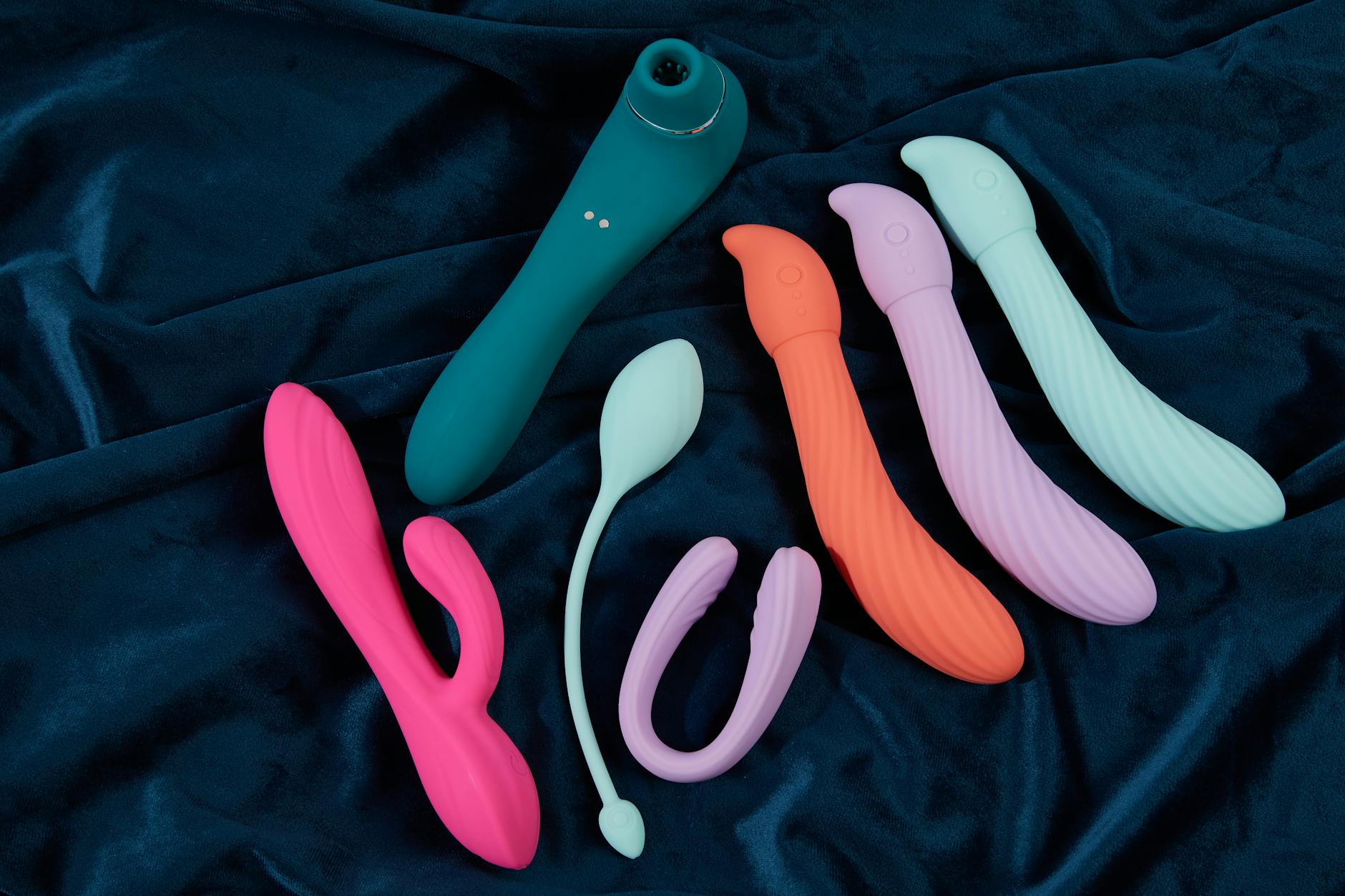
The thing nobody tells you about performance anxiety and pleasure
Anxiety doesn't make you broken. It makes you normal. Your nervous system is doing exactly what it was designed to do: protect you. The problem is that protection mode and pleasure mode are genuinely incompatible. Your brain can't simultaneously scan for threats and sink into sensation. When anxiety shows up, arousal gets pushed to the back of the line.
Here's what makes lemon vibrators different for anxious bodies: they work with your nervous system instead of against it.
Why anxiety blocks arousal in the first place
When you're anxious, your sympathetic nervous system is lit up. That's the fight-or-flight state. Blood is redirected away from your genitals and toward your large muscles. Your breathing gets shallow. Your pelvic floor tightens. Arousal requires the parasympathetic nervous system, which is the rest-and-digest state. You can't be in both at once.
For people who've experienced sexual trauma, or who have a history of performance pressure, or who are navigating a new relationship, or who carry general baseline anxiety, this isn't a character flaw. It's neurology.
The secondary problem: knowing that anxiety is blocking you makes the anxiety worse. You start performing anxiety about your own arousal. Which blocks arousal more. Which increases anxiety. The cycle is self-sustaining.
Lemon vibrators interrupt this cycle because they require less cognitive work to enjoy.
How suction changes the nervous system math
Traditional vibrators create stimulation through rapid vibration. That sensation requires your brain to process and interpret the signal. When you're anxious, your threat-detection system is already running hot, so novel sensations can feel invasive rather than pleasurable.
Lemon suction toys work through consistent, gentle pressure that mimics the natural suction of oral sex. Your brain has a much older, more primitive recognition of this sensation. It doesn't require new neural interpretation. It feels familiar even the first time you use one.
That familiarity signals safety to your nervous system. Safety allows your parasympathetic nervous system to engage. That's when arousal becomes possible.
I've worked with dozens of clients who told me they couldn't access pleasure during sex, and who found that a lemon clitoral vibrator changed that equation almost immediately. Not because the toy is magic, but because it sidesteps some of the cognitive overhead that anxiety creates.
The specific setup that works best for anxious bodies
Three things matter: environment, rhythm, and permission.
Environment first. Anxiety loves uncertainty. Eliminate variables. Same room, same time of day if possible, same person (yourself) if you're exploring alone. Lock the door. Put your phone in another room. Tell your partner not to interrupt. Your nervous system needs to know there are no surprises coming.
Start with the lowest setting. On the Lem or any lemon vibrator, begin at pattern 1. Your anxious body is already in a state of high activation. Adding intensity immediately triggers more threat detection. Let your nervous system acclimate to the sensation at the gentlest level first.
Give yourself explicit permission to stop. This sounds counterintuitive, but anxiety often comes from feeling trapped. If you can leave at any moment, your nervous system relaxes. Knowing you have an exit ramp paradoxically makes you less likely to take it.
The breathing piece that actually changes things
You've probably heard this before, but I'm saying it because it's not optional. Your breathing patterns signal your nervous system state directly. Shallow breathing tells your body you're under threat. Deep breathing signals safety.
Before you touch yourself or your partner, spend two minutes doing this: breathe in for four counts, hold for four, exhale for six. The longer exhale is the key. It activates your parasympathetic nervous system.
Keep doing this while you use the lemon vibrator. It's not a meditation. You don't have to clear your mind. You're just keeping your nervous system oriented toward safety so arousal can show up.
What happens if anxiety shows up anyway
It might. That's not failure.
If you notice your chest tightening or your mind spinning or your body going numb, stop. Don't push through. Pausing doesn't mean you're doing it wrong. It means your nervous system is still processing.
Go back to breathing. Put the toy down. Feel your feet on the floor. Name five things you can see. This is grounding, and it works because it reminds your brain that you're actually safe right now.
Then, if you want to, try again. Or don't. Forcing pleasure while you're anxious just trains your nervous system that pleasure isn't safe.
The partner element
If you're using a lemon clitoral vibrator with someone else, the script changes slightly. Anxiety often shows up around vulnerability. You might be worried about how you look, or how long you're taking, or whether you're responding the "right" way.
Tell your partner: "I'm going to use this because my nervous system needs a moment to catch up. This isn't about you or us. It's about me accessing sensation." Then let them watch, or help, or simply be present without expecting anything from you.
Many partners find it deeply erotic to witness. Some feel relieved that there's a tool that helps. Either way, the explicitness of the conversation removes a huge layer of anxiety.
When to bring in professional help
If anxiety consistently blocks you from pleasure even with these tools, talk to a therapist who specializes in sex and relationships. Sometimes anxiety about pleasure is rooted in something deeper: past trauma, relationship rupture, or a medical condition that's affecting your nervous system.
A good therapist can help you trace where the anxiety originates and build strategies specific to your history. You deserve that support. Your pleasure matters enough to invest in.
The slow rewiring that happens
Every time you use a lemon vibrator while your nervous system is calm, you're building a new association. You're teaching your body that pleasure is safe. You're proving to your threat-detection system that sensation doesn't require hypervigilance.
This doesn't happen in one session. It's a slow rewiring. But over weeks and months, many people find that anxiety loosens its grip. Not because anxiety goes away, but because your nervous system learns a new pattern.
You're not broken while you're healing this. You're exactly where you're supposed to be.
People also ask
Can anxiety permanently damage your ability to orgasm?
No. Arousal and orgasm are neurological responses, and your nervous system is plastic. That means it can learn new patterns at any age. Even if anxiety has blocked pleasure for years, your capacity for sensation hasn't gone anywhere. It's just been suppressed by your threat-detection system. When that system relaxes, arousal typically returns.
Why do lemon vibrators feel less scary than other vibrators for anxious people?
Because suction creates a sensation your nervous system recognizes as familiar and safe, whereas vibration creates a novel signal that your threat-detection system has to process. When you're already in a state of high activation due to anxiety, your brain interprets unfamiliar sensations as potential threats. Suction bypasses that interpretation layer.
Should I use a lemon vibrator alone or with a partner when I'm anxious?
Whichever feels safer. If you're anxious about performance or judgment, solo exploration often works better because you remove the witness. If you're anxious about being alone with your own body, having a partner present can create a sense of safety. Start with whichever scenario feels less triggering, and build from there.
How long does it take for anxiety to stop blocking pleasure?
It varies. Some people notice a shift in one or two sessions. Others need weeks of consistent practice. The timeline depends on the intensity of your anxiety, how long you've been managing it, and what triggered it originally. Patience matters more than speed here. You're retraining your nervous system, and that's slow work.
Is it normal to feel nothing the first time I use a lemon vibrator while anxious?
Completely normal. Your nervous system is still in protection mode. That numbing is a sign your body is defending itself, not a sign the tool doesn't work. Keep using it in calm moments, with the breathing practice, and the sensation typically returns. You're not broken. You're just taking longer to access your own nervous system.
What if I feel more anxious when I try to use a lemon vibrator?
That means you've pushed too much, too fast. Back off. Use the toy in a non-sexual context first. Hold it, explore it, let it run against your hand. Let your nervous system get curious about it without the pressure of needing to feel pleasure. Sometimes the path to arousal requires slowing down even more than you think.
If you're working through anxiety and pleasure together, you're not alone. Many people find that the right tool, the right environment, and the right nervous system state converge to make a real difference. A lemon clitoral vibrator, combined with intentional breathing and permission to move slowly, often creates exactly that convergence. The pleasure you're looking for isn't gone. It's just waiting for your nervous system to feel safe enough to let it through.