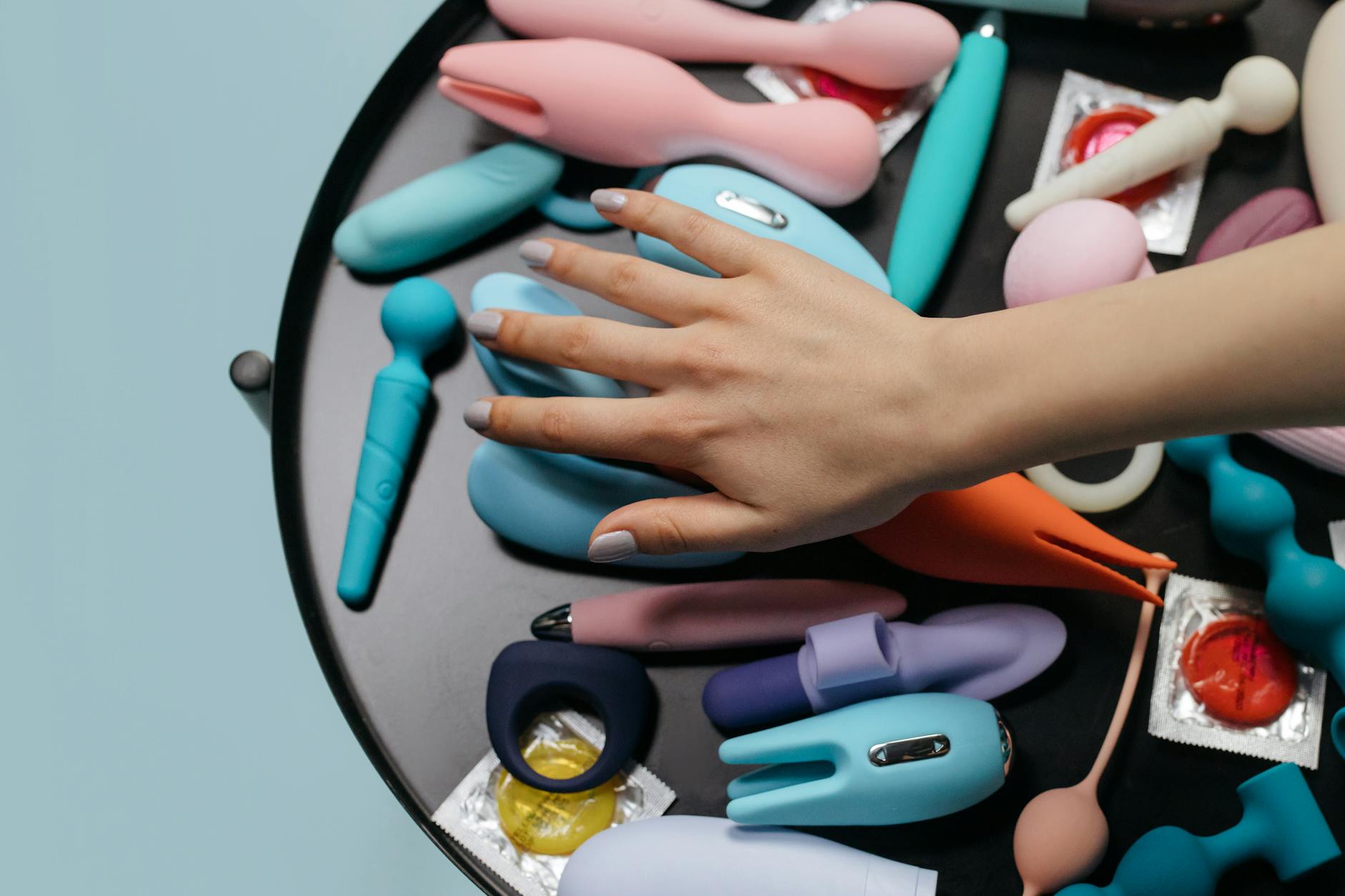
Rebuilding pleasure is not the same as forgetting
Let me start here: using a lemon vibrator after sexual trauma isn't about erasing what happened or pretending your body wasn't hurt. It's about slowly, deliberately reclaiming it. Pleasure after trauma isn't linear, and it's not a measure of healing. But for many people, the capacity to feel good in your body again—on your own terms, at your own pace—becomes part of how you know you're moving forward.
I've worked with trauma survivors for over two decades. The ones who rebuild the most resilient pleasure practices share one thing in common: they approach their own bodies like they're rebuilding trust with a friend who let them down. Gently. Slowly. Without forcing anything.
A lemon clitoral vibrator—the suction-based design that's become so popular—can be part of that process. But only if you approach it the right way.
Why suction works differently after trauma
Traditional vibrators rely on direct mechanical pressure. After trauma, that kind of stimulation can feel triggering or overwhelming because your nervous system has learned that intense sensation signals danger. Suction works differently. It builds pleasure through rhythmic pressure that mimics oral sensation—gentler, less intrusive, more about building arousal than forcing it.
The Lem and similar lemon vibrator designs have another advantage: you're in complete control of the intensity from the start. You're not managing someone else's rhythm or pressure. That agency matters more than people realize when you're rebuilding trust in your own body.
That said, even suction can trigger responses if your trauma history includes oral sex or any kind of mouth contact. If that's your history, this tool might not be right for you. And that's completely fine. There are other ways to rebuild, and choosing differently is itself an act of healing.
The safety framework that matters most
Before you touch any toy, you need three things in place.
First: a regulated nervous system. This means you're not in active crisis, you've had some time and probably some professional support since your trauma, and you can feel relatively safe in your body most days. If you're still in acute distress, focus there first. Pleasure work comes later. This isn't punishment. It's sequencing.
Second: clear communication with yourself. Before you start, decide in advance what your boundaries are. Not because you're restricting yourself, but because having decided boundaries ahead of time keeps your nervous system calmer. For example: I will use this for five minutes max. I will stop if I feel any panic. I will do this only when I'm alone. I will use the lowest intensity setting first. Write these down if it helps.
Third: a grounding practice. You need something to anchor you if sensation becomes overwhelming. This might be keeping your eyes open and looking at something familiar. It might be feeling your feet on the floor. It might be holding a specific object that feels safe. It might be telling yourself a specific phrase. Figure this out before you start, so you're not scrambling for it mid-moment.
Step-by-step: your first session
Choose a time when you have at least 30 minutes of genuine privacy. Not hiding-under-a-blanket privacy, but actual locked-door, phone-off privacy. Your body needs to know it's truly safe.
Start clothed. Lie down somewhere comfortable—bed, couch, whatever. Spend five minutes just breathing and noticing your body without judgment. This isn't meditation. You're just accounting for what you're feeling.
Keep the lemon vibrator next to you, off. Look at it. Touch it. Notice it's inanimate, it follows your instructions, it has an off button. This part sounds silly until you've worked with trauma. Your body needs to know this tool is subordinate to you, not the other way around.
Turn it on at the lowest setting (usually pattern 1). Keep it near your body but not touching you. Feel the vibration in the air. Spend two minutes just listening to it, getting used to the sound.
Now, place it against your outer thigh, over your clothes. Not your genitals yet. Just feeling the sensation somewhere less charged. Spend three minutes here. Notice what happens. Notice if you want to keep going or if you want to stop. Both are correct answers.
If you want to continue, move to your inner thigh, still clothed. Spend two minutes here. Then your abdomen, over clothing. The point is sensation-building in a graduated, safe way.
Only if you feel genuinely ready and calm, pull down your underwear (keep pants on if you want that layer). Start with the vibrator on your outer labia, lowest setting, for one minute. Then stop.
That's it. That's your first session. Not an orgasm goal. Not even necessarily arousal. Just evidence that you can control stimulation and stop whenever you want.
What you might feel (and why)
Some people feel grief. Your body recognizes it's being touched in a way that feels good, and that can trigger sadness about what was taken from you. That's not a reason to stop. Grief and healing are linked. Let yourself feel it.
Some people feel nothing. Numbness is a legitimate trauma response. It doesn't mean the tool is wrong or you're broken. It means your nervous system is protecting you. Keep going slowly. Numbness often lifts with time and repetition, as your body learns it's safe to feel again.
Some people feel triggered. If that happens, stop immediately. Use your grounding practice. You're not failing. You just found a boundary. Honor it, and maybe try again in a few weeks with a different approach. You might also consult a trauma-informed therapist about whether this particular tool is right for your healing path.
Some people feel pleasure, and then panic. Pleasure after trauma can feel dangerous, like you're being disloyal to your own suffering or betraying what happened. This is one of the most common responses I see. If this is you, slow down. Pleasure doesn't erase trauma. Your capacity to feel good doesn't mean what happened was okay. They're separate truths.
Building a sustainable practice
Once you've done a few low-intensity sessions and you're not triggered, you can slowly expand. This might mean:
Increasing the intensity setting by one level per week, only if you feel ready. No rush. Speed is not progress here.
Extending your session time from five minutes to ten, then fifteen, but only if you're still feeling safe and grounded.
Adding lubrication if you're ready. Water-based is safest because it's inert and easy to clean off. The sensation changes subtly with lubricant, and that change itself might take getting used to.
Exploring different patterns on your toy, if it has them. The Lem has several intensity levels and patterns. You don't need to use all of them. Find one or two that feel genuinely good, not triggering or too intense.
Most importantly, keep showing up. Not because you should, but because your nervous system needs evidence that sensation can be safe and self-directed. That evidence builds slowly, and some days it builds backward. That's normal.
Photo by cottonbro studio on Pexels
When to seek additional support
If at any point you feel like you're retraumatizing yourself or your body is consistently showing signs of high alarm (racing heart, dissociation, panic), pause and reach out to a trauma-informed therapist. Many specialize in sexual trauma and can help you determine whether this tool is part of your healing, or if a different approach would serve you better.
Therapists trained in somatic experiencing or sensorimotor psychotherapy often work beautifully with pleasure reintegration after trauma. They can guide you in real time, which is something a blog post can't do.
Also, if you find yourself using the toy compulsively or to numb out difficult emotions (rather than to reconnect with pleasure), that's a sign to check in with a professional. Pleasure should feel expansive over time. If it's feeling numb or desperate, something needs attention.
The long view
Healing from sexual trauma doesn't have a finish line. But reclaiming the ability to feel good in your body—slowly, safely, on your own terms—is part of how you know you're getting there. A lemon clitoral vibrator is just a tool. What matters is that you're the one holding it, you're the one deciding when to use it, and you're the one who gets to say stop.
Your pleasure matters. Not because it erases what happened, but because you deserve to feel good again.
People also ask
Can I use a lemon vibrator if I'm still in therapy for trauma?
Absolutely. In fact, many trauma therapists encourage their clients to explore pleasure as part of the healing process, once they've built enough stability. The key is communication with your therapist. Tell them what you're doing. They can help you notice patterns and stay grounded. If your therapist discourages pleasure exploration entirely, that might be worth examining. Good trauma work includes reclaiming your capacity for joy.
What if the sensation of a lemon vibrator feels too intense?
Start at the absolute lowest setting and keep it off your genitals entirely for the first few sessions. You can also use it through fabric for as long as you need. There's no timeline. If even the lowest setting feels overwhelming, it might not be the right tool for you right now. That doesn't mean you can't rebuild pleasure. You might explore other approaches with a therapist.
Is it normal to feel nothing when using a lemon vibrator after trauma?
Completely normal. Numbing is a protective response. Your nervous system is saying, "I'm not sure it's safe to feel yet." Keep showing up if you feel safe doing so. Sensation often returns gradually. But there's no obligation to feel anything. Just the act of slowly reintroducing touch to your body is healing, regardless of pleasure.
Should I tell my partner I'm using a lemon vibrator if I'm in a relationship?
That depends on your relationship and whether you're ready to share. If you're working through trauma with a partner, communication is generally helpful. It tells them, "I'm taking agency in my healing. I'm rebuilding my relationship with my own body." If you're not ready to share yet, that's valid too. This practice is for you first.
How do I know if I'm ready to incorporate a partner into pleasure after trauma?
This is something to explore with a trauma-informed therapist or sex therapist, ideally both individually and as a couple. Generally, you're ready when you can feel pleasure on your own without panic, when you can communicate your boundaries clearly, and when you trust your partner to respect those boundaries. There's no timeline. Some people are ready in months. Some take years. Both are okay.
What if using a lemon vibrator brings up memories of the trauma?
Stop immediately. Ground yourself using the practice you decided on beforehand. You're not failing. You've just found a boundary. Some tools trigger more than others for different trauma histories. You might try again in a few weeks, or you might decide this particular tool isn't right for your healing. Either choice is an act of self-care. A trauma-informed therapist can help you figure out whether it's worth trying again or whether a different approach fits better.
Ready to explore healing at your own pace? If you have questions about rebuilding pleasure after trauma, reach out to Hello Nancy. We're here to support whatever your healing looks like.