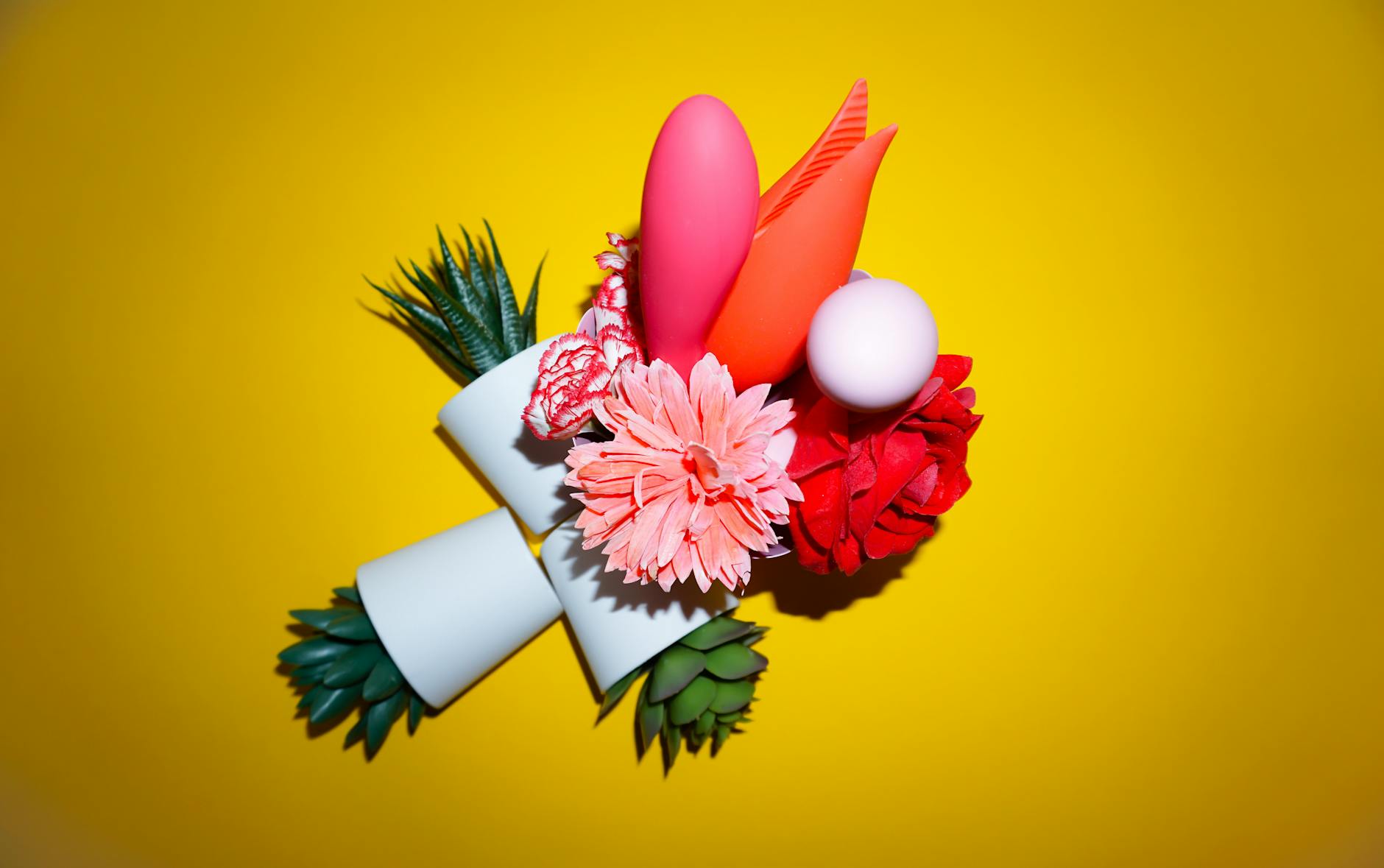
The thing no one tells you about antidepressants and sex
Your medication is working. You can think clearly again, the weight has lifted, you're sleeping better. And somehow, the part of you that used to enjoy touch has gone quiet.
This is real. It's common. And it's not a sign that you should stop taking your antidepressant.
About 40 to 60 percent of people taking SSRIs report some shift in sexual desire or sensation. The brain chemistry that stabilizes mood also quiets the neurotransmitters that drive arousal. It's not psychological. It's not your fault. And it's not permanent or unfixable.
Why antidepressants flatten arousal
SSRIs (and some other antidepressants) work by increasing serotonin availability in your brain. That shift steadies mood and quiets anxiety. But serotonin also plays a role in how dopamine moves through the brain, and dopamine is directly tied to sexual motivation and pleasure. When serotonin rises, dopamine-driven desire often dips.
There's also a mechanical side. Some medications can affect blood flow and nerve sensitivity, which means arousal might take longer to build, orgasms might feel muted, or sensation might just feel dampened overall.
The key distinction: this is a side effect of the medication's mechanism, not a sign that you've lost your capacity for pleasure. Your neural pathways for arousal are still there. The signal is just fainter.
Why air-suction clitoral vibrators work better for medication-flattened arousal
Here's where lemon clitoral vibrators, specifically air-suction models like the Lem, become genuinely useful.
Traditional vibrators rely on sustained friction or buzz to build sensation. When your sensory threshold is raised due to medication, you might need to turn intensity up higher than feels comfortable, or use it for longer stretches before anything registers.
Air-suction technology works differently. Instead of vibrating against tissue, it creates a gentle seal and applies rhythmic suction. This stimulates a broader nerve cluster at once, which means you get significant sensation from lower intensity levels. You're not bullying your way to pleasure. You're meeting your body where it is.
Many people find that starting with setting 1 or 2 on the Lem and slowly working up feels far more accessible when arousal is chemically dampened. You're not fighting for sensation. The suction does the work.
Timing matters more than you think
When arousal takes longer to build on antidepressants, timing becomes part of your strategy.
Most SSRIs are metabolized throughout the day, so arousal-related side effects can peak at certain times. Some people find that morning sessions feel less muted than evening. Others notice that sensation is better on days when they've exercised or eaten well. Medication timing varies widely, so this is personal reconnaissance.
The practical move: budget more time. If you used to need 10 minutes to feel aroused, expect 20 or 30 now. This isn't failure. It's your body asking for what it needs.
Using a lemon sucker or clitoral vibrator like the Lem actually works with this slower timeline because you can enjoy the sensation-building phase instead of feeling frustrated by it. The air-suction feedback loop means pleasure is happening earlier in the journey, even if the final orgasm takes longer.
Communication and expectation shifts with partners
If you're partnered, the medication side effect becomes a shared conversation, not a personal shame spiral.
The honest version: "My medication affects arousal, so I might need more time, more direct stimulation, or a different approach." Not "I'm broken" or "Your touch doesn't work anymore." Both of those collapse a medication effect into a relationship problem.
Many couples find that adding a lemon clitoral vibrator into their routine solves the timing gap elegantly. Your partner can participate (holding it, adjusting intensity, watching you enjoy sensation), or you can use it solo as part of foreplay. Either way, it removes the pressure of a partner trying to create sensation that medication has temporarily numbed.
The device becomes a tool for reunion, not a replacement.
When to loop in your prescriber
Medication-flattened arousal is worth mentioning to your doctor, but you don't need to do it alone. Here are the conversations that matter:
First, timing: your doctor might suggest adjusting when you take your dose. Some people take their SSRI right after sex, which gives their brain a 24-hour window before the next dose kicks in. This is a legitimate strategy your prescriber has heard of many times.
Second, dosage: sometimes the lowest effective dose for mood stability is lower than the initial prescription. A small decrease can restore sensation without sacrificing mental health stability.
Third, medication switch: not all antidepressants affect arousal equally. Some classes (like bupropion) have less impact on sexual function. If your current medication is otherwise working well, a switch might not be worth it. But if arousal impact is severe, it's a real option to discuss.
Your medication is non-negotiable if it's keeping you stable. Your pleasure is also non-negotiable. The conversation with your doctor is about finding the overlap, not choosing between them.
Practical setup for antidepressant-adjusted arousal
Three immediate changes that help:
Lubrication. Water-based lube makes a real difference when sensation is muted because it reduces friction resistance and lets the Lem work more efficiently. You're not trying to create sensation from scratch. You're amplifying what's there.
Longer foreplay. This isn't about forcing arousal. It's about letting your body gradually respond without pressure. 20 to 30 minutes of non-genital touch, breathwork, or mental engagement before using a vibrator gives your nervous system time to register pleasure.
Lower starting intensity. The Lem has multiple settings. Start at 1 or 2, stay there for 5 to 10 minutes, then move up. You're not looking for overwhelming sensation immediately. You're building a feedback loop your medicated brain can follow.
Many people who've been on SSRIs for months or years find that once their bodies adjust to the medication plateau, sensation gradually returns. Using a lemon clitoral vibrator during that adjustment period keeps you connected to pleasure rather than giving up on it.
The bigger picture: pleasure matters for mental health too
This is the part that rarely gets said out loud. Sexual pleasure and intimate connection aren't luxuries. They're part of psychological wellbeing, stress relief, and relationship stability.
When an antidepressant flattens arousal, you're not just losing sexual sensation. You're losing one of your brain's reliable sources of dopamine and oxytocin. That can actually flatten mood again, even if the medication is technically working.
This is why reclaiming some version of pleasure isn't shallow. It's health maintenance. Using tools like air-suction lemon vibrators to bridge the gap between your brain chemistry and your body's capacity isn't settling. It's being resourceful about your own care.
Your medication is worth taking. Your orgasms matter too. Both can be true.
FAQ: Antidepressants and arousal with clitoral vibrators
Can I use a lemon vibrator if I'm on SSRIs?
Absolutely. In fact, many people find that air-suction models like the Lem work better when medication has dampened natural arousal. The suction creates sensation at lower intensity levels, which means you can feel pleasure without needing maximum buzz. Start low and work your way up.
How long does it usually take for SSRI arousal side effects to improve?
It varies widely. Some people notice a shift within a few weeks of starting medication. Others plateau after 2 to 3 months as their body adjusts. Some people find that sensation gradually returns after 6 months to a year. There's also no guarantee it returns completely, which is why having tools like a lemon clitoral vibrator matters for staying connected to pleasure.
Will switching which medication I take help with arousal?
Maybe. Some antidepressants have less impact on sexual function. Bupropion, for example, often has fewer arousal-related side effects than SSRIs. But switching medications is a conversation with your prescriber, and the switch itself can take time to adjust to. It's worth discussing if arousal impact is severe, but it's not a simple fix.
Can I take my antidepressant at a different time to help with arousal?
Possibly. If you take your SSRI immediately after sex, you can give your brain a 24-hour window before the next dose kicks in. This is a real strategy that some people find helpful. Talk to your prescriber about whether this timing adjustment makes sense for your specific medication and dosage.
Does the Lem or other lemon adult toys actually feel different when arousal is medication-flattened?
Yes. The air-suction technology means you can access sensation at lower intensity settings than traditional vibrators require. When your natural arousal is dampened, starting at lower intensity and building gradually actually works better than jumping to high settings. Many people find the Lem's gradual-intensity approach is exactly what medication-adjusted bodies need.
What if I've been on my medication for a year and sensation still hasn't come back?
That's common and doesn't mean you're stuck. Some people's baseline shifts permanently while on SSRIs, but their capacity for pleasure doesn't disappear. Using a clitoral vibrator like the Lem can actually help your brain relearn that pleasure pathway, even if the sensation-building phase takes longer. Some people also find that adding a second medication designed to offset sexual side effects (like bupropion or buspirone) helps. Have this conversation with your prescriber.
You don't have to choose between mental health and pleasure
The medication is doing what it's supposed to do. And you deserve to feel good in your body too. Using a lemon clitoral vibrator is one practical way to bridge that gap while your brain and body adapt to the chemistry shift.
If you want to explore what works for your body, the buying guide walks through different vibrator types and settings. Or get in touch if you want to talk through what might work best for your situation.
Your mental health is non-negotiable. So is your pleasure.